
Tuesday, October 8, 2013

High Blood Pressure

High blood pressure, also known as hypertension, affects about 25 per cent of people worldwide and is the number one risk factor for mortality. By identifying and treating it, we can decrease the risk of conditions such as heart attacks and strokes. Unfortunately, hypertension is often undiagnosed or untreated. Blood pressure is essentially the pressure of the blood in your arteries.

It is expressed as 120/80 or 145/95. The top number is the systolic pressure (the pressure in the arteries when the heart contracts) and the bottom number is the diastolic pressure (the pressure in the arteries when the heart is relaxing and refilling with blood). Both are important and, in general, anything over 140/90 is considered too high. Often, no cause for hypertension can be found.

However, in some cases there may be a kidney problem, hormonal condition or a breathing problem such as sleep apnoea. Certain medications can exacerbate the problem. Lifestyle changes, such as stopping smoking, losing weight, exercising regularly and cutting back on salt and alcohol, can result in significant lowering of blood pressure. Depending on the severity of the hypertension, medication may be required. There are a range of anti-hypertensives available and your doctor will tailor a regime to suit you. Make sure your doctor monitors your blood pressure and any other risk factors for cardiovascular disease that you may have.

Low Blood Pressure

In general, low blood pressure is a good thing. People with low blood pressure tend to live longer and have a decreased risk of stroke, heart disease and kidney disease. Low blood pressure is not a problem unless it causes symptoms such as dizziness, lightheadedness or fainting. It can be worsened by fatigue, exercise, dehydration, alcohol consumption or prolonged bed rest.

In healthy people, symptoms can be managed by avoiding standing up too quickly and keeping hydrated. If symptoms are persistent, see your doctor to ensure there is not an underlying heart or hormonal problem. Untreated diabetes, spinal cord injuries, Parkinson's disease, pregnancy and certain medications can cause low blood pressure too.

Acute, sudden-onset low blood pressure, such as might occur with massive haemorrhage, septic shock or anaphylactic shock, needs to be treated as a medical emergency. Intravenous fluids and, if necessary, blood transfusion may be required and the cause needs to be addressed urgently.

If there is an underlying cause, that condition needs to be treated. If there is no underlying problem, your doctor may advise you to increase your fluid and possibly salt intake and consider drinking a caffeinated beverage at times when you feel symptomatic, since caffeine causes blood vessel constriction. Occasionally, if the problem is persistent, your doctor may recommend medication. In general, however, if you have low blood pressure but no symptoms or very infrequent symptoms, you don't need any treatment whatsoever.

How sleep affects your health

We are recommend to log an average of six to eight hours of sleep every night. If you are not getting enough zzzs, check out these 5 tips for getting a perfect night’s sleep.


Women are susceptible to weight-gain if they sleep poorly—not men.

You may have heard that lack of sleep is linked with being overweight. Sleep problems—such as trouble falling asleep or staying asleep, or waking up several times in the night—were associated with weight gain of five kg or more in women, but not in men.


Poor sleep may increase your risk of type 2 diabetes.

Not getting enough sleep can wreak havoc on the body’s metabolic regulation.
Getting just four hours of sleep may impair the body’s use of insulin by up to 25 percent. Insulin resistance can lead to type 2 diabetes (an inability to use insulin to control glucose from food), which, if left untreated, can lead to other illnesses including heart disease.


Sleeping too little – or too much – will pack on belly fat.

If you’re under 40, logging less than five hours, or more than eight hours of sleep every night, may lead to a greater accumulation of belly fat or “visceral” fat. This kind of deep abdominal fat is associated with increased risk of unhealthy conditions, including diabetes and high blood pressure.


Poor sleep may hamper your exercise routine.

Getting less than four hours of sleep for a few nights in a row may cause you to curtail your normal fitness routine. Those who lacked a full night’s sleep, also conducted less intense physical activity. Therefor, you are just too tired to exercise after a bad night’s sleep.


Too little sleep may trigger depression.


Insomnia sufferers face a two- to five-fold increased of risk of developing depression. (There are no standard criteria for defining insomnia, however it is generally diagnosed when people have trouble going to sleep or staying asleep “most of the time.”) Treating insomnia can help fend off depression.


Troubled sleeping boosts night time blood pressure.

Why? The central nervous system of troubled sleepers is hyperactive at night. In other words, insomniacs have higher rates of blood pressure at night than in the day.


What new moms think about their sleep habits could sway mood.

New mom's perception of poor sleep and the conscious awareness of its impact on day-to-day activities are stronger predictors of immediate postpartum mood disturbances than the actual amount of sleep quality and quantity (which do decline). This perception of poor sleep might worsen subjective stress and frustration, resulting in a nasty cycle.


These ways to ease PMS


Curb pre-mentral sydrome (PMS) for good with these tips.


Be prepared


A little preparation can rein in the worst of PMS. Set a reminder in your calendar so you're notified a few days to a week before it's due. This way the hormone swings aren't such a shock and you can stock up on the practical necessities and some healthy treats before your symptoms hit.

Fatty acids

Boosting essential fatty acids can significantly reduce PMS symptoms. Try oily fish, avocados and flaxseed oil. Foods rich in vitamin B6 will also help stabilise blood-sugar levels and mood swings. Go for leafy greens, legumes, meat, poultry and nuts.

Calcium

Calcium has been found to ease period aches and pains, so make sure you're eating healthy dairy every day. To ensure your body is absorbing calcium correctly, get a daily dose of vitamin D by sitting in the early-morning or late-afternoon sun for 10 minutes.
 

Avoid sugar

Sweet cravings, though tempting, may actually worsen PMS symptoms as excess sugar can deplete the body's store of vitamin B6. Also try to cut out as much caffeine and alcohol as possible in the week leading up to your period. These have been known to trigger the symptoms of PMS.

Get help

So you'd rather curl up and cry? Get some help if PMS is becoming debilitating. Your doctor can look into the cause - perhaps it's a condition that's treatable. Acupuncture can also be a great relief as it helps to calm emotions and improve blood flow around the body.

Exercise

There's no doubt that cramps, bloating and a bad mood can put even the most dedicated off their workout. Regular, low-intensity exercise can help improve mood, minimise the physical symptoms of a period and give you a better night's sleep.

Lighten the load

Stress, anxiety and depression can become a bit of a dark cloud before and during your period. Lighten the load with a funny movie, a nap or a spot of meditation. In addition to metaphorically putting your feet up, physically elevating them will ease fatigue and leg cramps.


Ways to get lean

How you'll do better

A blend of weights and cardio is the best way to lose fat, but it is possible to go not one, but two better. First, the cardio plans that follow are short enough to be done after your weights session. This is the perfect time because doing cardio after weights burns 27% more calories than cardio by itself.

Secondly, you won’t be running, cycling or rowing at the same old steady state pace, you’ll do interval training – alternating between periods of hard work and recovery. This kind of training can burn up to three times more fat than exercising at the same pace. So you’ll be doing weights followed by optimum length cardio sessions.

The result: more muscle, less fat and a body that’ll make those old T-shirts at the back of your cupboard fit like a torso-shaped glove.

Your action plan

After your weights workout choose one of the following interval training regimes and aim to wrap up both your weights and cardio in an hour at most. Mix it up as much as possible and never repeat the same interval workout twice in a week.

You don’t have to do it in the gym either. After you’ve finished the weights hop on your bike or go outside for a run. Just follow the work-to-rest guidelines in the cardio workouts section. If you want to go for a long run at the weekend, do it in the morning. When you wake up, your core body temperature is at its lowest, allowing for improved endurance. 

Stick to the routine for four weeks and you’ll have more muscle, more leisure time and the very best results in the shortest time possible.


1. The stationary bike – 20 minutes
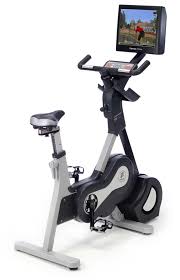
Up the intensity of your cycle workout to start seeing real results

Step 1 Do a 4-minute warm-up ride on low resistance

Step 2 Ride as fast as you can for 40 seconds then pedal slowly for 20 seconds so you can recover. Repeat this 10 times.

Step 3 Ride as fast as you can for 20 seconds then rest for 10. Do this 6 times.

Step 4 Set the bike to a low resistance and ride for 3 minutes at a slow pace to cool down.

Why?

You’re seated and don’t have to propel your bodyweight forward, so you burn fewer calories than running. To get around this, the periods of hard work are much longer, making your body expend a huge number of calories while building a set of calves that’ll stand up against the chunkiest of trainers.


2. The rowing machine – 20 minutes

Bigger arms and a smaller gut – 20 minutes of pain for seriously big gains

Step 1 Do a 3-minute warm-up row on a resistance of about 5.

Step 2 Set the resistance to level 10 then row as hard and as fast as you can for 30 seconds. Keep the resistance set to level 10 but grab the handle with an underhand grip and row for 60 seconds at a pace slow enough to catch your breath. Repeat this 7 times.

Step 3 Alternate between rowing for 15 seconds at a fast pace and 15 seconds at a slow pace. Do this for 7 minutes.

Step 4 Cool down for 3 minutes by rowing at a slow pace.

Why?

The rower’s resistance can easily be adjusted making it ideal for these short intense intervals that harvest calories while building bigger arms and a wide back that’ll block anyone else’s chances of getting to the bar.


3. The treadmill – 20 minutes

Take a shortcut to a leaner you with this 20-minute cardio blast

Step 1 Do a 4-minute warm-up by running at a slow speed that’s just fast enough to make you jog.

Step 2 Sprint at a speed of about 15kph for 90 seconds then reduce the speed to about 7kph, so that you jog for 90 seconds to recover. Repeat this 3 times.

Step 3 Sprint at a speed of about 17kph (or faster if you can manage it) for 60 seconds then reduce the speed to about 7kph, so that you jog for 60 seconds to recover. Repeat this 3 times.

Step 4 Cool down for 1-2 minutes by walking at a slow pace.


Why?

Short, intense intervals (30 seconds on and off) aren’t suitable for treadmills – they take too long to speed up and slow down. So the work and rest periods last longer than on any of the other machines. You’ll drip with sweat and feel the runner’s high. Your new lean physique will be pretty dizzying, too.


4. The cross-trainer – 20 minutes

Burn fat and improve your balance with a climb to victory

Step 1 Do a 3-minute warm-up at a slow speed.

Step 2 Start with the resistance at a comfortably low level. Increase the resistance by 1 level every minute. Do this for 7 minutes then reverse the process and decrease the resistance every minute.
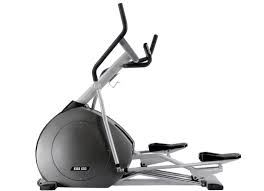
Step 3 Once you’ve worked the resistance down to a low setting, stay at that pace for 3 minutes to cool down.


Why?

If you begin with a high resistance on these machines they can stick and become hard to move. Gradually increasing the resistance helps you ease into the tougher settings so you can force your legs and core to work harder, burning more calories and building the balance to excel at any sport.


Monday, October 7, 2013

The flu busters for your diet


To add to your diet

  1. Vitamin C:
    It boosts production and function of white blood cells, has excellent antioxidant properties, and increases the concentration of antibodies in the blood. Go for strawberries, kiwifruit, broccoli and capsicum. Start the day with a warm glass of water and half a lemon squeezed in – this provides more vitamin C and has far less sugar than an orange.

  2. Garlic: Garlic contains a compound called allicin, which has strong antibiotic properties that not only prevent colds, but can reduce the duration and severity if taken as soon as the symptoms start. Try to have at least one or two cloves of garlic a day or take a supplement that contains allicin. For an allicin-packed tea, steep a chopped clove in boiling water and drink warm.

  3. Ginger:Has anti-viral compounds useful in treating inflammation. Add to your juices, stir-fry or tea.

  4. Zinc: Found in high-protein foods such as red meat, lean poultry, fish and nuts, zinc is essential for efficient immune function. If you can’t get enough in your diet, you can take a zinc supplement. Zinc lozenges help fight off colds and sore throats.

  5. Astragalus: A root that is a member of the pea family, it can be stirred into soups or taken in capsule form to bolster the immune system.

If you do get sick

  1. Quarantine yourself:
    Keep yourself home from work to avoid passing the illness on to others. Cough into your sleeves and wash your hands regularly for your family’s sake!
  2. Drink up:
    Cold and flu can strip the body of vital fluids, so drink lots of caffeine-free drinks to avoid dehydration. Warm drinks will also help loosen mucous.
  3. Rest:
    Give your body the time it needs to repair itself. A serious flu will have you bedridden for a few days anyway.
  4. Inhale:
    Breathe in steam from hot water – a shower, bath, basin or bowl – to help ease a blocked nose. Add a few drops of eucalyptus or menthol.
  5. Take herbs:
    Andrographis, a strong bitter herb, combined with echinacea, can help reduce the severity and duration of cold and flu symptoms.
  6. Numb the pain:
    Over-the-counter painkillers will relieve the aches but if your symptoms don’t improve after a few days or new ones appear, see your doctor.

What is Fiber?

What is it?

  • Dietary fibre is the indigestible part of plants that passes relatively unchanged through the stomach and intestines. It is mostly made up of carbohydrates, which consist of different types of sugars.
  • There are two types of dietary fibre: soluble and insoluble. Both types are present, in varying degrees, in all plant foods. Soluble fibre can't be digested, but it absorbs water to become a gelatinous substance that passes through the body. Good sources of soluble fibre include fruits, oat bran, barley, beans, lentils, peas, soy milk and soy products.
  •  Insoluble fibre is mostly unchanged as it passes through the body and adds bulk to faeces. Good sources include wheat, corn and rice bran, nuts, seeds and wholegrain foods.
  • Resistant starch is not traditionally thought of as fibre, but it acts in a similar way. It is found in many unprocessed cereals and grains, firm bananas, potatoes and lentils.
  •  The Heart Foundation recommends adults consume about 30 grams of fibre a day. Experts suggest children should eat 10 grams of fibre a day, plus an additional gram for every year of their age.

The pros

  • Fibre is important in aiding digestion. Soluble fibre soaks up water, which helps to plump out the faeces, and allows it to pass through the gut more easily. It slows down the rate of digestion, and this is then counteracted by insoluble fibre, which speeds up the time that food takes to pass through the gut.
  • A lack of fibre, particularly insoluble fibre, can lead to gastrointestinal problems such as constipation, irritable bowel syndrome, colitis, colon cancer and haemorrhoids.
  • It is thought that soluble fibre helps protect against heart disease by lowering blood cholesterol. Cereal fibre seems to offer more protection against coronary heart disease than the fibre from fruit and vegetables.
  • People who are overweight have been shown to lose significant amounts of body fat by increasing the amount of fibre, especially soluble fibre, in their diets.
  • A high-fibre diet also slows glucose absorption from the small intestine into the blood, reducing the possibility of a surge of insulin. Fibre is therefore recommended for people with diabetes and a high-fibre diet can help to prevent development of the condition.
  • Resistant starch is also important for bowel health. Bacteria in the large bowel ferment and change the resistant starch into short-chain fatty acids, which are important for bowel health.

The cons

  • A sudden switch from a low- to high-fibre diet can create abdominal pain and increased flatulence. Increase your fibre intake gradually and add it from food rather than supplements.
  • Very high-fibre diets may decrease absorption of minerals such as iron, zinc and calcium, so stick to the recommended intake.