See you guys next week .....good day :)
Saturday, October 19, 2013

Friday, October 18, 2013
Snacks That Are "OK" to Eat at Night
Eating past 8.p.m. has been known to get a bad rap. In reality the reason you may have gained, or not been able to lose, weight probably has more to do with what you are eating and how much you are eating, rather than the time of day when you are eating it.
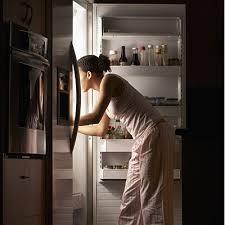 Eating at night, if done healthily, can offer some surprising benefits. Eating the right protein at night can help you build muscle while you sleep. Eating low glycemic carbs at night can help you control blood sugar the next day and even help you regulate your appetite.
Here are some snacks that are "OK" to eat at night. Some are not-so-guilty pleasures, some are great snacks to have after a light dinner and others make fantastic post-workout snacks (for those of you who work out at night).


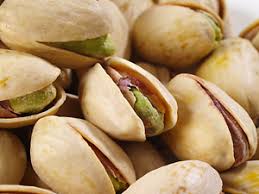 Pistachios in the shell are an excellent night time snack as the de-shelling process requires some work, consequently slowing down how fast you can eat them. The slower you eat, the less you will consume. Another bonus with pistachios is that you get to eat more nuts per ounce (49 nuts) than any other nut. The combination of getting to eat more and having to eat them slower makes pistachios one of the best options. In addition, nuts come with a unique nutritional package since they contain fiber, biotin, vitamin B6, thiamin, folate, unsaturated fats, and plant sterols -- all of this makes them highly-nutritious as well as satisfying. If you are looking for something more, you can pair pistachios with goat cheese or a fruit, like raspberries.
 The combination of chocolate and peanut butter is one of the best flavors that exists. This simple snack combines those two great flavors along with a creamy texture from cottage cheese. In addition, this great snack provides a high dose of casein protein. Casein is the slower digesting milk protein (whey being the other milk protein) which has been shown to boost recovery while you sleep when taken later at night. In a bowl, combine 2/3 cup of cottage cheese, 1 tbsp of natural peanut butter, 1/2 scoop of chocolate casein protein powder and 2 tsps of dark unsweetened chocolate powder. Mix thoroughly and enjoy.

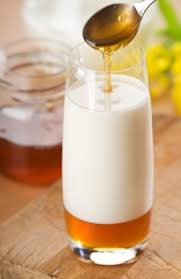 Warm milk has long been a sleep aid, making it a good late night snack choice if you have trouble falling asleep at night. It is interesting to note that despite people swearing by the effectiveness of a warm glass of milk in aiding in your relaxation efforts, the effect may be more psychological than physiological. It was once thought that the tryptophan in milk led to increases in the feel-good hormone serotonin. However, the additional amino acids in milk can actually prevent the tryptophan from preferentially getting into your brain. Adding honey to your warm milk will slightly boost the sugar content of your snack. This extra sugar is easily digested and can stimulate hormones that drive the formation of serotonin, making your warm milk aid in your sleep efforts from a psychological and physiological perspective.

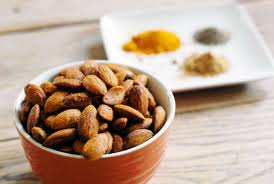 Nuts have been traditionally pitted as a “bad” snack food for weight loss due to their high fat content. But, a 2012 study published in the American Journal of Clinical Nutrition found that people who ate almonds lost just as much weight at 18 months compared to people that abstained from eating almonds. In addition, people who ate almonds experienced greater improvements in their total cholesterol and triglycerides -- two key cardiovascular disease risk factors. Almonds are also another food that is high in magnesium. One ounce of almonds (about 1/4 cup) and can be snacked on raw, roasted, or seasoned with your favourite spice like curry or chili powder.
Here are some snacks that are "OK" to eat at night. Some are not-so-guilty pleasures, some are great snacks to have after a light dinner and others make fantastic post-workout snacks (for those of you who work out at night).
Coconut Mango Cream
Who doesn’t like cold and creamy desserts? Unfortunately, most of standard store-bought frozen desserts are packed with calories and sugar. Here is a simple dessert that uses frozen mango and coconut milk to make a dish your friends will rave about. Combine in a blender 1 cup frozen mango pieces, ⅓ cup coconut milk, 2 tbsp hemp seeds and 2 scoops of protein powder. Blend until pudding consistency. You can add water as necessary to achieve desired consistency. This makes three,160-calorie servings. To make it vegan, opt for a vegan protein powder like hemp, brown rice or pea.
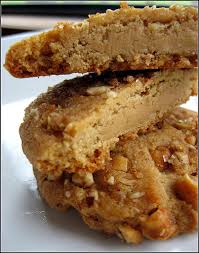 No-Bake Honey Peanut Butter Cookies
These simple to make no bake cookies contain the great flavor combination of peanut butter and chocolate along with a little hint of sweetness from honey. The addition of oats adds a punch of fiber and plant protein that makes them very satisfying. Combine the following ingredients in a bowl: 2 ½ cup rolled oats, ⅓ cup natural peanut butter, 3 tbsp honey, ½ cup dark chocolate chips. Mix thoroughly and then use a muffin tin as the mold to form the cookies. This recipe works really well with mini muffin tins as well. It makes about eight 250-calorie cookies -- so one is more than enough. Tip: To cut down on calories, you can make 16 cookies instead.
Dark Chocolate
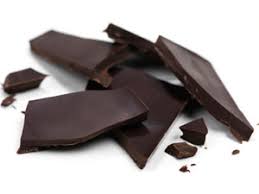
Chocolate is often seen as a forbidden food — but not all chocolate is created equal. There is a big nutritional difference between your average convenience store chocolate candy and cacao-rich dark chocolate. The dark chocolate lacks the high added sugar content of traditional chocolate and instead provides you an antioxidant punch that has been shown to lower blood pressure, improve insulin sensitivity, fight inflammation and improve your mood. Next time you need to wind down at night, have an ounce of your favourite dark chocolate (70% cacao or greater).
Strawberry Banana ‘Ice Cream’
Ice cream is a great late night treat but with a half cup packing almost 200 calories, this treat becomes off-limits fast. A great alternative to traditional ice cream is to make it with frozen bananas. Mashed frozen bananas provide an ice cream-like consistency without the added sugars, fat, and calories. Here’s the simple recipe: Slice up 2 very ripe bananas and 1 cup of strawberries. Place them in the freezer until frozen. Once frozen, place strawberries and bananas in a food processor and process on high until an ice cream like consistency is achieved -- voila, vegan ice cream.
Pistachios
Not Your Average Milkshake
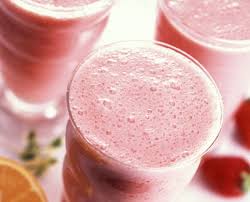
With the right kind of protein, you can make thick and creamy milkshakes without excessive calories and fat. The key is to add casein protein powder or a milk protein powder blend (which will contain whey and casein). The biochemical properties of casein cause it to act as a thickener. Casein has been shown to have anti-catabolic properties, helping prevent excessive muscle breakdown after an intense workout. Combine in a blender: 1 and ½ scoops of casein protein powder with 1 cup of milk, a drop or two of vanilla extract, and 4-5 ice cubes (the more ice, the thicker your shake will be). Blend on high until all the ice is chopped up. This nutrient powered milkshake packs about 40 grams of protein and ⅓ of the recommended daily intake for calcium.
Chocolate Peanut Butter Cottage Cheese
Pumpkin Seeds
The hallmark of a good night time snack is a food that will help fulfill a nagging craving, while at the same time help you relax, unwind, and get ready for bed. Roasted pumpkin seeds meet this challenge. One serving of pumpkin seeds contains almost 50% of your recommended intake of magnesium. Magnesium is an essential mineral that is used in over 300 reactions in your body. One key area that magnesium addresses is relaxation. Magnesium is a relaxant and high magnesium snacks are ideal for helping you unwind at night. The slight saltiness of roasted pumpkin seeds curbs your salty snack craving that is usually reserved for potato chips. Next time you want to snack on something while watching your favourite night time sitcom, reach for a quarter cup of roasted pumpkin seeds.
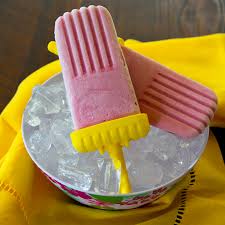 Raspberry Greek Yogurt Pops
Popsicles are a simple after dinner snack, but if you buy them at the grocery store they are essentially made up of sugar and food dye. With this simple recipe for frozen Greek yogurt pops you can do much better than this. It’s a nutritional treat with minimal prep. Greek yogurt is regular yogurt’s nutritionally superior sibling, with double the protein and half the carbs per serving. To make frozen Greek yogurt pops mash ¾ cup of raspberries in 2 cups of 2% plain Greek yogurt. Portion this mixture into Popsicle molds and place in the freezer for several hours until completely frozen.
Warm Milk & Honey
Frozen Blueberries
This is my favourite evening snack. The cold sweetness of frozen blueberries is very refreshing at the end of the day. Frozen blueberries are packed with just as many high-powered antioxidants as their fresh counterparts, because they are flash frozen at peak ripeness. Blueberries are one of the best foods that you can eat for your health. Research has shown that the nutrients in blueberries can help improve brain function and heart health. If your diet can afford the extra calories, adding 2 tbsp of cream adds to the richness and sweetness of the treat.
Almonds
 Berries and Cream
The combination of berries and cream is a simple and satisfying dessert. By substituting full fat plain Greek yogurt for the cream, you can still enjoy a high protein version of this thick and creamy dessert. Top ½ cup of full fat plain Greek yogurt with ¼ cup blackberries and ¼ cup of raspberries.
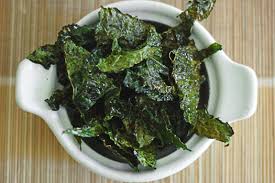
Kale Chips
Kale chips provide you a great salty crunch without the extra fat and calories you’d get with regular potato chips. Kale chips also provide vitamins K, A, C and the cancer-fighting phytochemicals called carotenoids. These are all things you don’t get from potato chips. Kale chips taste best when they are freshly-baked. The prep time is so minimal that you can easily whip up a batch while you are making dinner to enjoy them later in the evening. Pre-heat the oven to 400 degrees. Remove and discard the thick stems. Toss the kale pieces in a small amount of extra virgin olive oil, sea salt, and pepper – you can add garlic too. Spread the kale out on a baking sheet (non-insulated) and bake for 12-17 minutes or until crispy but not burnt.
These Anti-Aging Foods Is For Your Skin To Protect Your Skin From Sun Damage And Wrinkles
Kiwifruit
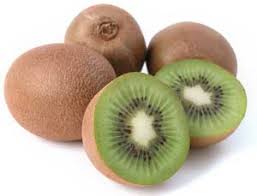 People with diets high in vitamin C were less prone to wrinkles, possibly because the nutrient encourages the production of collagen, a fibrous protein that keeps skin firm. Score your dose of vitamin C by eating kiwifruit -- one cup contains more vitamin C than the equivalent amount of oranges.
Tomatoes
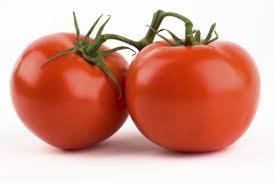 Tomatoes get their red pigment from lycopene, a carotenoid with powerful skin-protecting potential. Women who ate about two ounces of lycopene-rich tomato paste every day for 12 weeks had less skin damage when exposed to UV light than those who ate none.
Oysters
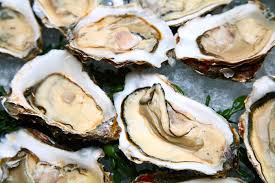 They're not only well-known as an aphrodisiac; oysters have complexion-boosting benefits too, thanks to their rich source of the mineral zinc (which plays an important role in skin health and encourages skin cell renewal) and selenium (for protecting against the aging effects of sun damage and for maintaining the skin's elasticity).
Berries
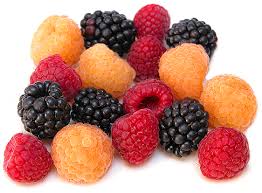 Take your pick from berries of all hues. These superfoods are packed with antioxidants that help neutralize free radicals that are linked to chronic inflammation and aging.
Buckwheat
 This is found in Japanese soba noodles. Buckwheat seed boasts beauty-boosting nutrients -- monounsaturated fatty acids that help keep skin looking young and supple, and rutin which may aid collagen in maintaining its elasticity.
Salmon
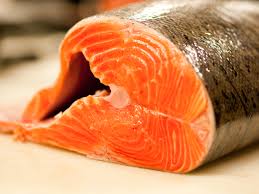 Fight parched skin by upping your intake of healthy fats. Omega-3-rich fish such as salmon and tuna may help your skin retain moisture as well as prevent skin cancer. EPA (eicosapentaenoic acid), one of the omega-3 fats in fatty fish, has been shown to preserve collagen.
Almonds
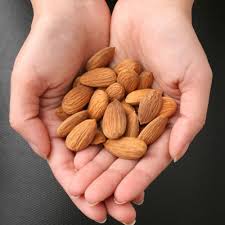 Snack on a handful of almonds to feed your skin with another powerful anti-aging nutrient -- vitamin E, a potent sun blocker and one of the most important antioxidants for skin health.
Sweet potatoes
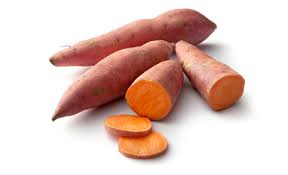 Sweet potatoes contain beta-carotene that not only combats free radicals, but also helps fight aging by increasing production of collagen and GAGs (glycosaminoglycans), which help your skin hold on to water.
Avocado
 Avocados are antioxidant powerhouses, plus they're also rich in oleic acid (a type of monounsaturated fat) which has been linked to reducing wrinkles.
Spices
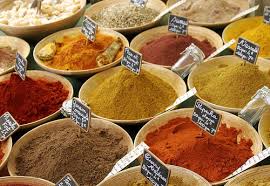 Some spices have strong anti-oxidant and anti-inflammatory properties with anti-aging benefits. Notable examples include turmeric, ginger, cayenne and cinnamon. Get into the habit of adding these spices to dishes where appropriate.
Tomatoes
Oysters
Berries
Buckwheat
Salmon
Almonds
Sweet potatoes
Avocado
Spices
Thursday, October 17, 2013
The Greatest Fitness Tips You May Needs To Know
Lifting Speeds
The ideal lifting speeds: one second to raise. Three seconds to lower.
For more strength, take one second to lower the weight and one second to raise it, say researchers at the College of New Jersey. To burn fat, take three seconds to lower a heavy weight and one or two seconds to raise it, according to a study by Wayne State University. “To trigger muscle growth, take one second to raise a weight and three seconds to lower it,” says personal trainer Mark Raynesford.
Best Rep Range for Growth
Best rep range for growth: 8-12
Doing this many reps will help you slap on size by forcing your muscles to grow and increasing your body’s production of testosterone and growth hormone, found research by the National Strength and Conditioning Association. Just think of the pain as your body releasing its weakness.
When to Stretch
The only time to stretch: after your workout
Forget the laments of your misinformed school PE teacher. Researchers at the Centers for Disease Control and Prevention in America reviewed more than 350 studies and found warm-up stretches had no effect on injury prevention, and limbering up before pumping iron actually made men weaker.
The Best Muscle Building Strategy
The strategy for building the most muscle: full-body workouts
Researchers at the University of Alabama found that full-body regimes gave on average 2.3kg greater muscle gain per month than sessions that focused on lone muscle groups. Each kilogram of muscle earned burns 420 extra kilojoules a day, even if you don’t leave the couch.
How to Reduce Back Pain
The exercise most effective at reducing back pain: back extensions
A survey by the marketing company Nielsen found that the most common muscular ailment is back pain. Fortunately, research at the University of Madrid found that back extensions reduced the incidences of this pain by 80 per cent. Do four sets of 12 reps to get your back on track.
The Best Time to Build Muscle
The best time to build muscle: late afternoon and evening
Muscles take time to wake up. Research in Medicine & Science in Sports & Exercise discovered you’ll lift up to 11 per cent more weight in late afternoon and evening sessions compared to morning sessions. But keep the workouts short — you’ve got far better night-time pursuits to attend to.
The Perfect Rest Time
The perfect rest between sets: three minutes
For more strength, take a three-minute breather, advises the Journal of Strength and Conditioning. The study also revealed that this was as effective as five minutes’ rest. For bigger muscles, take 60 seconds’ rest. You’re now armed with the excuse to cut short that talkative gym ‘buddy’.
The White Elephant of Fitness Equipment
The fitness industry’s biggest white elephant: the Swiss Ball
Wobbling about deprives you of weights heavy enough to build muscle. Doing dumbbell chest presses on a Swiss ball was 40 per cent less effective for building chest strength than the same exercise performed on a bench, found a Dynamic Medicine study. So, never turn your workouts into a ball game.
How to Bust a Plateau
How to bust a plateau: get negative
Forget what you can lift: you can handle up to 40 per cent more weight on the lowering portion of an exercise than on the raising portion, found the Journal of Strength and Conditioning Research. “Take three to four seconds to lower the weight,” says Daniel Hollander, the study’s author. This forces your muscles to work harder and amass more strength.
The Exercise Foe
The exercise foe turned friend: fat
Fat as an enemy is ’80s thinking. A study in the Journal of Medicine, Science and Sport Exercise found that men who ate a normal diet with moderate amounts of fat gained 2.3kg more muscle and 86 per cent more strength than those on low-fat diets. Fats should make up 20 per cent of your kilojoule intake, so grease your guns with vegetable oils, nuts and seeds. But make sure to avoid transfats — the ones served at your local fish and chip shop — as they block protein absorption.
The Most Underrated Supplement
The most underrated supplement: caffeine
There’s a secret weapon in your cappuccino: caffeine. It helps you lift two per cent more weight, push two to four more reps in a set, train for 30 per cent longer, makes exercise seem five per cent easier and helps you burn up to five per cent more fat. No wonder Starbucks is everywhere. To reap these benefits, take 200-400mg (a mug of coffee contains 132mg) an hour before exercise.
Your Must-Have Work-Out Drink
Your must- have work- out drink: water
The most convincing reasons to drink water are the penalties of being parched. Studies in the Journal of Applied Physiology found that dehydration lowers testosterone — your chief muscle-building hormone — and hinders aerobic performance. What’s more, dehydration reduces strength by 17 per cent, found the University of Connecticut. How much is enough? Divide your weight by 30. The resulting figure is the number of litres you need to swig a day.
The Best Number of Reps
The best number of reps to burn fat: six
Warning: this may challenge all fat-burning dogma you know. Using weights so heavy you can only manage six reps hikes up your metabolism more than doing 12 reps, found the Norwegian University of Sport and Physical Education. You’ll also fry 50 per cent more kilojoules if you rest for 30 seconds rather than three minutes between sets.
The Top Tip For Losing Fat
The top tip for losing fat: interval training
To go from fat to flat, pick up the pace. Alternating between hard work and recovery — that is, interval training — burns three times more fat than training at a consistent pace, found a study by Laval University in Canada. Try this: sprint for 90 seconds, then walk for 30 seconds. Repeat seven times for the stamina and fat-burning benefits of a 40-minute treadmill slog.
The Best Cardio Machine
The best cardio machine: treadmill
It will take you 14 minutes to fry 840 kilojoules on the treadmill, 16 minutes on the elliptical machine, 21 on the rower and 27 on the bike. But, for the fastest results, run outside, because treadmill running is 36 per cent easier than running at the same pace on terra firma, found a study in Medicine & Science in Sports & Exercise. Canter on Mother Nature’s treadmill: grass.
The Best Time to Burn Fat
The best time to burn fat: morning
When an exercise is done on an empty stomach in the morning, as opposed to later in the day, 1kg of fat is burned 67 per cent faster, found Kansas State University. You’re also more likely to make it a habit if you do it at sun-up, found the American Council on Exercise. As the day goes on, excuses to sit in the pub are easier to find.
The Kilojoule-Burning Weapon
The kilojoule-burning weapon: free weights
Barbell squats burn 50 per cent more kilojoules than the leg press (the machine equivalent) because the squat uses more supporting muscles, say the lab coats at Truman State University.
How To Be Less Sore in the Morning
Be less sore in the morning: combine cardio and weights
Tired of walking like John Wayne after your workouts? A 45-second cardio burst before each weightlifting exercise reduced soreness.
The good food habits, make sure you don't slip back into the same bad food habits
Always eat breakfast
Studies show that individuals who eat a substantial breakfast lose more weight than those who have a small breakfast. Choose eggs or baked beans on wholegrain bread, or muesli with fruit and yoghurt.Eat your fruit and veg
Aim for three cups of vegetables and two fruits each day. Fill half your plate with vegies at lunch and dinner, and add fruit to your breakfast and for a snack on the way home from work.Take time to shop each week
If the food is not in the house, how can you eat well? Schedule in time to shop each week or shop online.Walk for 10,000 steps or exercise for an hour each day
A pedometer is extremely useful in providing feedback on how many steps you are racking up each and every day.Sit down at the table to eat
Not only do you eat more slowly and often less food, but you'll enjoy the social experience of dining.Always carry a protein-rich snack with you
This way you'll avoid eating high-fat food on the run. Great options to keep handy include nut- or protein-based snack bars, hard fruit such as an apple or a few crackers.Have a green tea after meals
Green tea is high in antioxidants and can help increase metabolic rate.Always carry a water bottle
Drink at least two bottles of water a day instead of juice, cordial or soft drinks.Choose wholegrain, low-GI bread and breakfast cereal
Aim for the best-quality breads, crackers and breakfast cereals, as these are foods we eat every day.Always eat carbohydrates and proteins together
Try eggs on grain toast, yogurt and fruit, crackers and cheese and wholegrain bread with tuna or chicken.Tuesday, October 15, 2013
Exercise faster, smarter, and more comfortably with this round up of tips
Feel Good About Being a Lightweight
 Grab that three pound weight—it’ll still help you build muscle. Using light weights for more repetitions, until muscles are fatigued, promotes the same muscle building response as lifting heavy weights for a few repetitions. So if you’re nursing an injury—or would just rather workout from the comfort of home instead of an intimidating weight room—get going with those small weights, resistance bands, and exercises using body weight.
Carry a Water Bottle
 When the weather outside is hot, carry a water bottle outside for your walk, run, or workout. This will help less fatigue and could exercise for longer periods of time in warm conditions.
Drink a Cup of Coffee
 Have a cup of joe before or a caffeinated drink before a weight lifting session were able to do more before they were exhausted—and left looking forward to their next workout.
Load Up a New Playlist
 Music has some kind of privileged access to the motor system, when you are perceiving very rhythmic sounds, particularly those that are used in music, these sounds engage the areas in networks of the brain that allow us to move and in particular synchronize different muscle groups.
So music is a magic workout motivator, but it’s not always a top priority to add new songs to your repertoire.
Make Friends with a Foam Roller
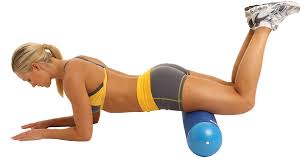 Stop muscle knots in their tracks—without a visit to a massage therapist. Unlike tight muscles, knots can’t be stretched out, and can often lead to tears and muscle imbalances. But a foam roller can treat and prevent knots at home, using the power of your own body weight. Simply lay with the specific body part on the log (you can use it for everything from quads and hamstrings to calves, IT bands, glutes, and back) and roll until you reach a tender spot. Move back and forth on the area for a few moments; repeat daily.
Hydrate All Day Long

You know it’s good to drink water during and after your workout—but the biggest benefit may come from the H20 you drank hours earlier. Plan to have at least a few sips every hour, and you’ll go into your time at the gym in the best shape possible.
Go All Out—For Just a Minute
 Forget about slogging away for hours at marathon speed. With just 60 seconds of all out exercise (at about 90% of your maximum heart rate) followed by 60 seconds of recovery, can dramatically improve fitness. Repeat the cycle 10 times (for a total of 20 minutes) and you’ll significantly improve fitness in just a few weeks. Or just add in a few fast sprints to your regular run, walk, bike ride, or elliptical session.
Wear Good Socks

Look for a snug pair made from polypropylene or wool—a good fit will keep blisters at bay, and moisture-wicking material will help prevent fungal infections and pale spots on your feet, called macerations. And it might sound obvious, but take your socks off and let your feet air out as soon as possible after your work out—it’s the fastest and easiest way to get them dry.
Have a Snack

Your body can’t work to the fullest if it’s running on empty. If you’re eating enough regularly, your body has at least an hour’s worth of high intensity fuel stored away. But if you feel better with a little food, eat a nutritionally balanced small meal about two hours before a workout, or a small snack about 30 minutes before putting on your sneakers.
Stretch After Your Workout Instead of Before
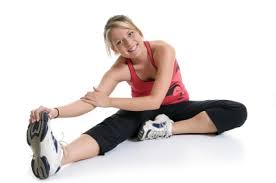 There’s no need to hold your toes and count to ten before hopping on a treadmill—static stretches before you’ve warmed up (or even after a few minutes of cardio) are generally ineffective—and may even be harmful. When should you bend away? A few minutes after your workout should be all you need.
Carry a Water Bottle
Drink a Cup of Coffee
Load Up a New Playlist
So music is a magic workout motivator, but it’s not always a top priority to add new songs to your repertoire.
Make Friends with a Foam Roller
Hydrate All Day Long
You know it’s good to drink water during and after your workout—but the biggest benefit may come from the H20 you drank hours earlier. Plan to have at least a few sips every hour, and you’ll go into your time at the gym in the best shape possible.
Go All Out—For Just a Minute
Wear Good Socks
Look for a snug pair made from polypropylene or wool—a good fit will keep blisters at bay, and moisture-wicking material will help prevent fungal infections and pale spots on your feet, called macerations. And it might sound obvious, but take your socks off and let your feet air out as soon as possible after your work out—it’s the fastest and easiest way to get them dry.
Have a Snack
Your body can’t work to the fullest if it’s running on empty. If you’re eating enough regularly, your body has at least an hour’s worth of high intensity fuel stored away. But if you feel better with a little food, eat a nutritionally balanced small meal about two hours before a workout, or a small snack about 30 minutes before putting on your sneakers.
Stretch After Your Workout Instead of Before
The Hidden Salt
Many of us are consuming way too much sodium. To make things worse, 'hidden' sodium can lurk in many seemingly healthy foods. To spot these high-sodium culprits, read food labels carefully: Look at both the amount of sodium per serving and the recommended daily sodium allowance percentage.
Here's a list of ten unexpected salt mines:
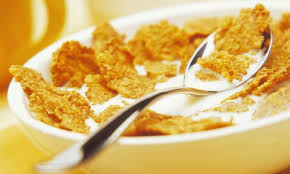 Ready-to-eat cereals may seem like a healthy breakfast option but some brands can pack as much as 300mg of sodium per cup.
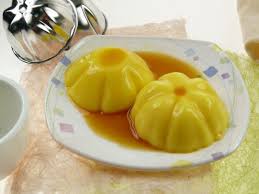 High-sodium foods don't even have to taste salty! You'll be surprised how much sodium is in some sweet snacks and desserts. Instant puddings, for instance, have 400 mg sodium per 1/2-cup serving.
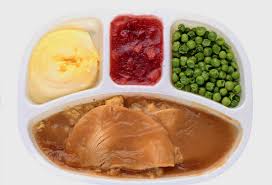 Don't be fooled by ready-to-eat or frozen meals that are marketed as "low-calorie" or "low-fat". Many of these make up for this through high amounts of sodium (and sometimes sugar) instead. Depending on your choice of ready meal, some can have as much salt as 8 bags of snack-size potato chips!
 Tuna is often touted as a healthy source of protein and omega-3 fatty acids. But if you are going for the canned variety, you're also taking in about 400 mg of sodium per 100-gram serving.
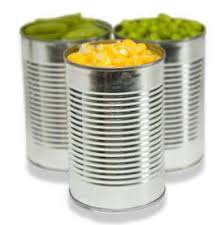 You can't go wrong with vegetables, right? Wrong. Canned veggies are typically laden with sauces and seasonings -- a cup can mean up to 730 mg of sodium. Look for "no salt added" option or stick to fresh vegetables instead.
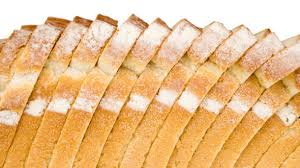 A single slice of white bread can contain as much as 230 milligrams of salt. Although this may not sound like much, it can quickly add up if you eat several servings throughout the day.
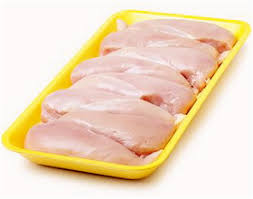 Sodium levels in poultry can vary based on preparation methods. Packaged raw chicken often contains an added salt solution that dramatically increases the amount of sodium in the meat. A 100-gram serving can pack 440mg sodium.
 Even something as healthy as tomato juice can be laden with sodium -- up to 878 mg per cup! You're better off preparing your own fresh vegetable juice -- one medium tomato has just 10 mg sodium.
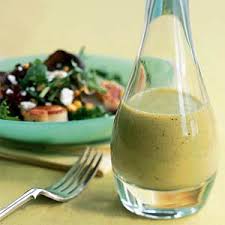 Go easy on salad dressings. It's not just fat that you need to worry about -- sodium is another issue. Just one tablespoon of prepared salad dressing can contain up to 250mg of sodium. Another seemingly innocent condiment to watch out for: Ketchup, which can pack more than 150 mg sodium per tablespoon.
 One cup of commercial canned soup can contain a whooping 1000 mg of sodium! Prepare your own soups at home, where you have control over the amount of salt you add.
Here's a list of ten unexpected salt mines:
1. Breakfast cereals
2. Instant puddings
3. "Diet" ready meals
4. Canned tuna
5. Canned vegetables
6. Breads and rolls
7. Packaged poultry
8. Vegetable juice
9. Salad dressings
10. Canned soup
Subscribe to:
Posts (Atom)